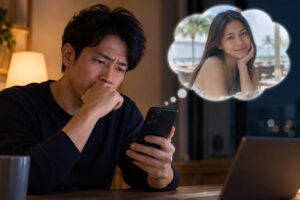
You can't reach an acquaintance who has returned to Vietnam. You want to confirm the whereabouts of a family member living there. An old address or social media account may remain, but you don't know where to begin. In such cases, the first step is to organize the information that identifies the person, the last place they were confirmed, and the purpose of your search separately.
A person search or whereabouts check in Vietnam is not guaranteed to succeed just because you have a name or a photo. What can be confirmed varies depending on the accuracy of the information, the target area, your relationship with the person, and local laws and conditions for conducting the work. For those considering whereabouts checks in Hanoi, Ho Chi Minh City, Da Nang and elsewhere, this guide summarizes the information to prepare, how to approach the investigation, costs, and reporting.
- Combine more than just a name: photos, addresses in the original language, past workplaces, and so on.
- For an old address, check separately whether the person moved or whether the administrative divisions or notation changed.
- Confirming whereabouts, confirming wellbeing, and wishing to reunite are separate purposes, so please discuss each one separately.
- Fees and timeframes are quoted individually. Investigation reports can be viewed online and saved as PDF.
What Do You Want to Confirm Through a Person Search or Whereabouts Check in Vietnam?
Even among inquiries that are all described as "finding a person," the investigation required differs depending on the purpose. Do you want to know where the person currently lives? Do you want to confirm whether they still live at a previous address? Or do you want a clue that would allow you to resume contact? First, let's organize what you want to be able to decide after the investigation.
| Purpose of inquiry | What to organize | Points to note |
|---|---|---|
| Confirming the whereabouts of a family member or acquaintance | The date of last contact, address, place of stay, and a photo of the person | Treat past residences and current residences separately. |
| Searching for a Vietnamese person who has returned home | Full name in Vietnamese, time of return, hometown, and connections in Japan | A name used in Japan alone may not be enough to distinguish people with the same name. |
| Wanting to confirm someone's wellbeing | Circumstances just before contact stopped, and any concerns such as illness or accidents | If danger is suspected, consider consulting public authorities first. |
| Wanting to reunite with an old friend or benefactor | Workplace or school at the time, mutual acquaintances, photos, and letters | Even if the person is found, they may not wish to reunite or be contacted. |
The TSK INTERNATIONAL desk accepts inquiries about person searches in Vietnam. For the overall scope of our services, please see Overseas Person Search and Whereabouts Check Services. What we can carry out is determined after reviewing the information you hold and the conditions of the investigation.
Why Organizing Names and Addresses Matters in a Person Search in Vietnam
Separate the katakana name from the Vietnamese name
The name used in Japan, the display name on social media, and the formal name the person wrote themselves are not necessarily spelled the same way. If you have the person's Vietnamese name, save it as is, without omitting tone marks or other diacritics. Rather than replacing it with a version you have converted into Japanese or English yourself, keeping both the original and its pronunciation will help when cross-checking information.
Even if you find a person whose name matches, that alone is not enough to conclude it is the right person. You need to check that it does not conflict with other information such as a facial photo, age, work history, and hometown.
Re-reading Old Addresses in Light of the 2025 Administrative Restructuring
The Embassy of Japan in Vietnam has announced that, with the transition to the new system following the provincial and municipal restructuring from July 1, 2025, the notation of the embassy's address in Hanoi has changed. The actual location has not changed.This can be confirmed in the embassy's notice on the change of administrative divisions.
For this reason, if an old address does not match a current map, it is premature to conclude right away that the person "moved" or that the address "never existed." It is important to keep the time you obtained the address, the original text from that time, the building name, street name, and photos of the surroundings, and to check how they correspond to current place names and address notation. Not every mismatch is due to the restructuring, so we also consider the possibilities of a move or a recording error separately.
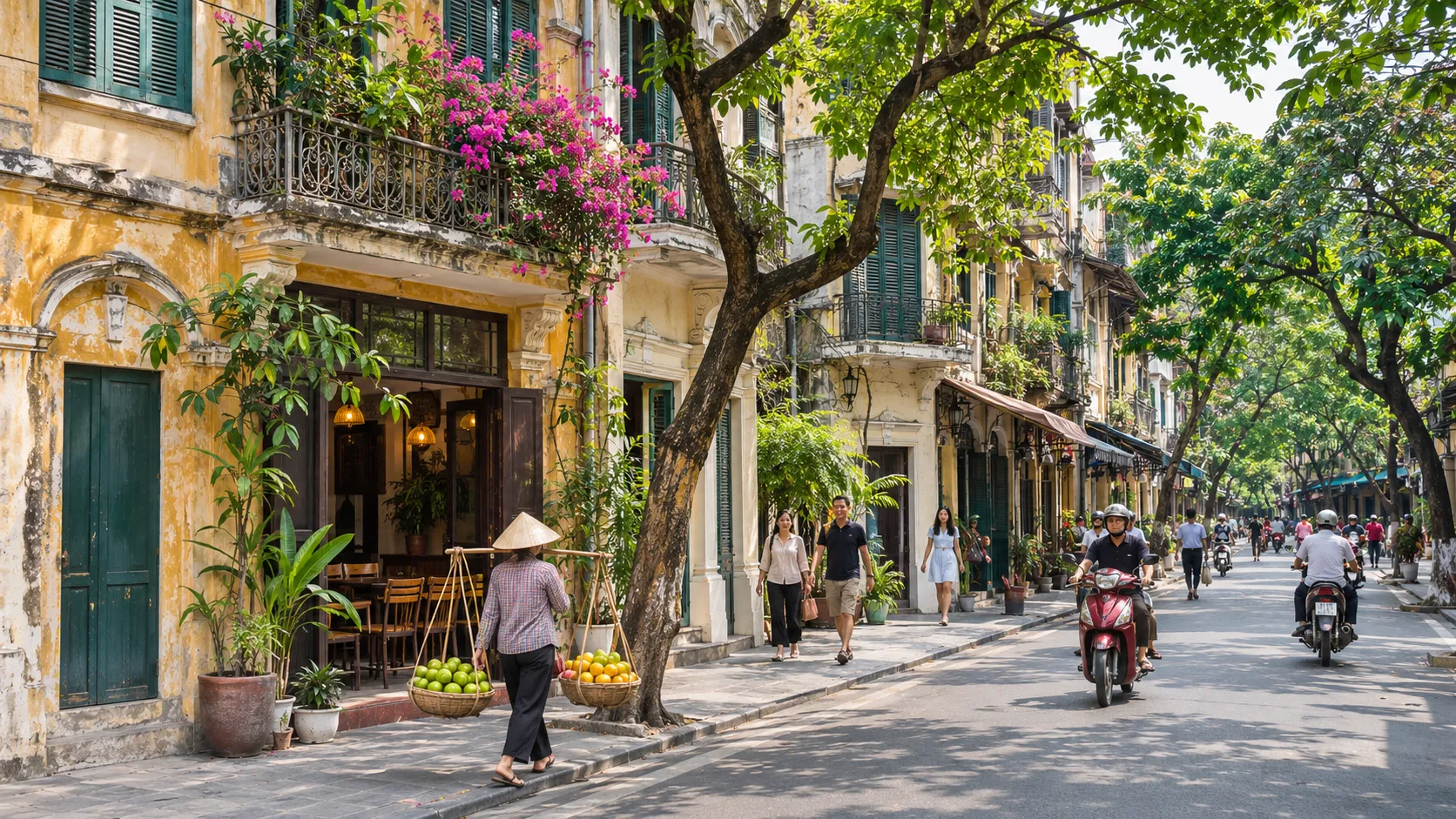
In Hanoi, Ho Chi Minh City and Da Nang as Well, the Specificity of Information Determines the Scope of the Investigation
Information such as "lives in Hanoi" or "works in Ho Chi Minh City" alone is not enough to narrow down where to check. Please sort out whether you may be confusing the location of the employer's head office, the actual place of assignment, the family home, and the current residence. The same applies when you know the name of a city such as Da Nang.
In addition to the city name, knowing the employer's official name, the location of the store or factory, the building name, and places the person used to frequent makes it easier to consider what to check first. Even if you know the family home in a rural area, the person does not necessarily live there now.
Information to Prepare Before Consulting Us | Organize Even Small Clues
You do not need to have everything ready before consulting us. Please compile the information you currently have, together with when, from whom, and how you obtained it.
- Personal information: Full name in Vietnamese, aliases, nicknames, age or date of birth, and a photo showing the face.
- Location information: Address in the original text, hometown, previous places of stay, workplace, school, and photos of buildings or surroundings.
- Contact information: Previous phone number, email, social media profile URL, and the last exchange with its date and time.
- Connections to Japan: The company where the person worked in Japan, the school they attended, the period of living together or interacting, and any explanation given about their return home.
- Purpose of the request: Your relationship with the person, why you want to find them, and what you hope for after their whereabouts are confirmed.
For example, "the person said they would return home" is a statement that was confirmed, while "they must have gone back to their family home" is speculation. Separating the source of the information from when it was confirmed makes it easier to avoid pursuing the wrong region or the wrong person.
How a Whereabouts Investigation Proceeds, and the Limits of What Can Be Confirmed
First, confirm that the clues point to the same person
If a photo, a name, an address and social media accounts exist separately, we first sort out whether each of them can be linked to the same person. It is important not to treat a social media display name or posting location as the person's current name or residence. The date of a post and the time a photo was taken may also differ.
Separating the checking of public information from the need for on-site verification
We distinguish what can be confirmed by cross-checking public information and the materials you provide from what requires verification on site. Even when there are candidate locations to visit, we decide what can be carried out based on local laws, verification methods and the possible effects of making contact. Rather than repeating visits over a wide area with few leads, narrowing down the candidates at the outset is the more important step.
"Knowing an address," "knowing someone is safe" and "being able to meet" are separate outcomes
Even if a previous address is confirmed, that does not mean the person's current residence or health condition has been established. Even when information that leads to a whereabouts is obtained, whether you can reunite or make contact also depends on factors such as the person's own wishes. Please read each report with a clear distinction between what has been confirmed and what remains unconfirmed.
If you wish to confirm not only a spouse's whereabouts but also their life after returning to their home country, the explanation of where money is being sent, or their relationship with relatives, please also refer to our Investigation Guide to International Marriage Problems with Vietnamese Nationals.
We do not provide guidance on methods that involve unauthorized login to private accounts or access to personal information that one has no authority to obtain. We also cannot accept requests intended to harass the person or to force contact with them. We will ask about the purpose of your request and your relationship with the other person, and confirm whether we can proceed, with consideration for privacy.
A consultation example: how a person search in Vietnam is organized
The following is a hypothetical example to explain what is organized during a consultation. It is not an actual investigation record or case resolution.
When someone you met in Japan has returned to Vietnam and contact has been lost
- The situation
- You know the name the person used in Japan, a face photo and a former workplace, but the exact address in the place they returned to is unknown.
- What we organize first
- We compile separately any materials that show the person's name in Vietnamese, the hometown the person mentioned, the time of return, social media URLs and the content of the last contact.
- Our approach to verification
- We cross-check multiple pieces of information so that someone with the same name or a similar account is not mistaken for the person. If the return to Vietnam itself has not been confirmed, we also review that premise.
What affects investigation fees and duration?
Person searches and whereabouts investigations in Vietnam are quoted individually according to the purpose of the investigation and the client's circumstances. The steps required differ between a consultation with only a name and one where the address the person lived at until recently is known. Fees for investigations in Japan also cannot simply be applied to overseas cases.
- Prior information: The accuracy of the name, photo and address, how old the information is, and materials usable for identifying the person.
- Target area: The number of places to check, travel between cities, and whether visits to provincial areas are necessary.
- Scope of investigation: Cross-checking past information, confirming the current whereabouts, and any additional matters to be verified.
- Necessary expenses: Items required for the case, such as local transportation, accommodation, and the checking and translation of documents.
The duration also differs depending on whether the work stops at cross-checking information or proceeds to on-site verification. We cannot guarantee that the person will be found within a certain number of days. When reviewing a quote, please confirm what work is included in the fee, how additional investigation is approved, the conditions for discontinuation, and what will be reported if no result is obtained. Our approach to fees is also explained in Overseas Investigation Fees and the Application Process.
From consultation to investigation report
- 1ConsultationYou tell us about your relationship with the person, your purpose and the leads you currently have.
- 2Organizing informationWe separate confirmed facts from assumptions and consider whether the investigation can be carried out.
- 3Quote and contractWe confirm the scope of investigation, fees, conditions and the content of the report.
- 4InvestigationWe proceed within the agreed scope, in accordance with local laws and the conditions for carrying out the work.
- 5ReportYou receive the confirmed facts and the unconfirmed matters, organized in a report.
We use an online report system. Even if you live overseas, you can view your investigation report and download it as a PDF to save.
When you are worried about someone's safety, or wish to make a request from overseas
When an accident, crime or other danger is suspected
If, in addition to a sudden loss of contact, there are specific circumstances that lead you to suspect an accident, crime or danger to life, please consult public authorities without waiting for a private investigation quote. For inquiries about the safety of Japanese nationals, check the guidance provided by the Embassy of Japan in Vietnam, the Consulate-General with jurisdiction, and similar offices. For contact details, please see the Ministry of Foreign Affairs of Japan's emergency contacts in Vietnam.
Inquiries from countries and regions other than Japan
If you live overseas, please let our contact desk know the information about the person you wish to find in Vietnam and your purpose. The target area and the plan differ depending on whether you are investigating Vietnam from Japan, investigating Vietnam from a third country, or searching from Vietnam for someone in Japan. When you consult us, stating your country of residence separately from the country where the person is presumed to be staying makes it easier to organize the case.
Please also include your preferred language for communication and the times and time zone in which you can be contacted. We will advise on how our staff can respond after reviewing the content of your consultation.
Frequently asked questions about person searches and whereabouts investigations in Vietnam
I only have a name and a photo. Can I still consult you?
Yes, you can. Please also tell us related information, such as when the photo was taken, where you met, the name the person used, and their workplace at the time. If there is little information, we may first need to take steps to distinguish the person from others, and in some cases we may not be able to carry out an investigation.
Can an old address still serve as a lead?
It may serve as a lead. We consider the possibility that the person has moved separately from changes in administrative divisions and address notation. Please also keep the address in its original text, the time you obtained it, and any photos of envelopes or buildings.
Can a social media account tell you someone's current address?
Public information may be useful material for cross-checking, but an account alone does not necessarily reveal a current address. A posting location is not always the actual residence, and we also need to consider the possibility that the account belongs to someone else or reflects past information.
Can you investigate without the person finding out?
We consider verification methods according to your purpose, but contact and on-site checks may become known to the other person. We cannot guarantee that they will "never find out." Please tell us in advance about any contact you want to avoid and the circumstances involved.
Will I always be given the address of a person who is found?
Locating a person and providing their address are separate matters. We handle them with regard to the purpose of your request, your relationship with the person, applicable laws, and the privacy of the person and those connected to them. Requesting an investigation does not mean you will receive all personal information.
Can I receive the report if I live overseas?
You can view it from anywhere in the world through our online report system. You can also download it as a PDF and save it.
TSK INTERNATIONAL | ENQUIRIES
Discuss your case
Tell us your relationship to the person, the country involved and what you need to establish.
Recommended reading
References
- Embassy of Japan in Viet Nam: Notice of the embassy's address change following the change in administrative divisions in Hanoi
- Ministry of Foreign Affairs of Japan, Overseas Safety Website: Emergency contacts in Viet Nam
Administrative information and contact details may change. Please check the latest information at the linked page when using it. Operated by: TSK INTERNATIONAL